Interviews
-

On Translating Mahmoud Darwish into Turkish
Suçin has translated four collections by Darwish into Turkish, in addition to other works from a range of eras and styles, including eleventh-century belletrist Ibn Hazm, early twentieth century Lebanese poet and writer Kahlil Gibran, and acclaimed contemporary poets Adonis and Muhammad Bennis. Suçin’s most recent translation is Darwish’s Badem Çiçeği Gibi yahut Daha Ötesi.…
-
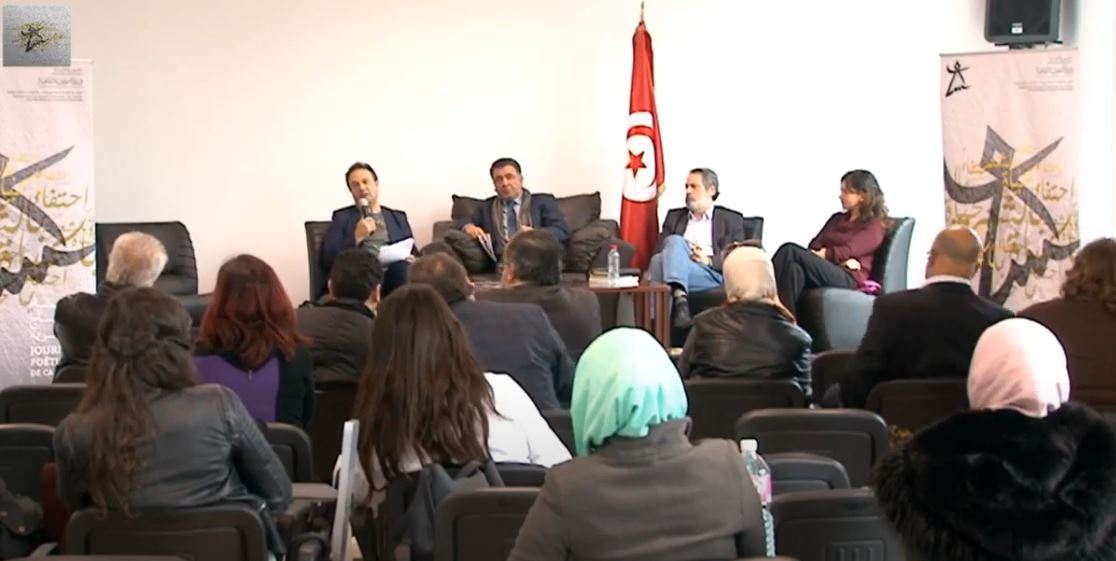
Poetry, Universality and the Question of Translation
A panel entitled “Poetry, Universality and the Question of Translation”, held during the Carthage Poetry Days in Tunis on 24 March 2018, with Subhi Hadidi, Samia Kassab-Charfi and Mehmet Hakkı Suçin, moderated by Ridha Mami. Below is the full panel, with the contributions of Samia Kassab-Charfi and Subhi Hadidi, in that order. الندوة كاملة مع…
-
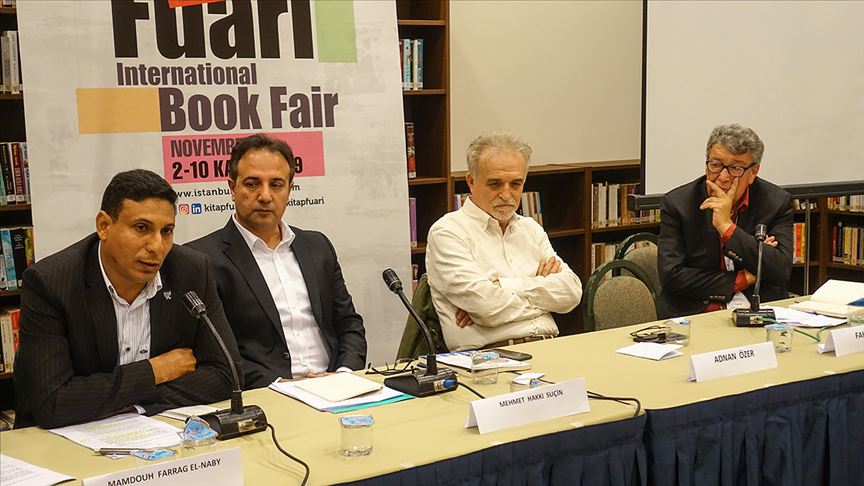
Where Is Arabic Literature Heading?
At a panel organised by the Turkish Publishers Association and moderated by Fahri Aral, Mehmet Hakkı Suçin spoke alongside the critic Mamdouh Farrag al-Nabi and the poet Adnan Özer on the present and future of Arabic literature.
-
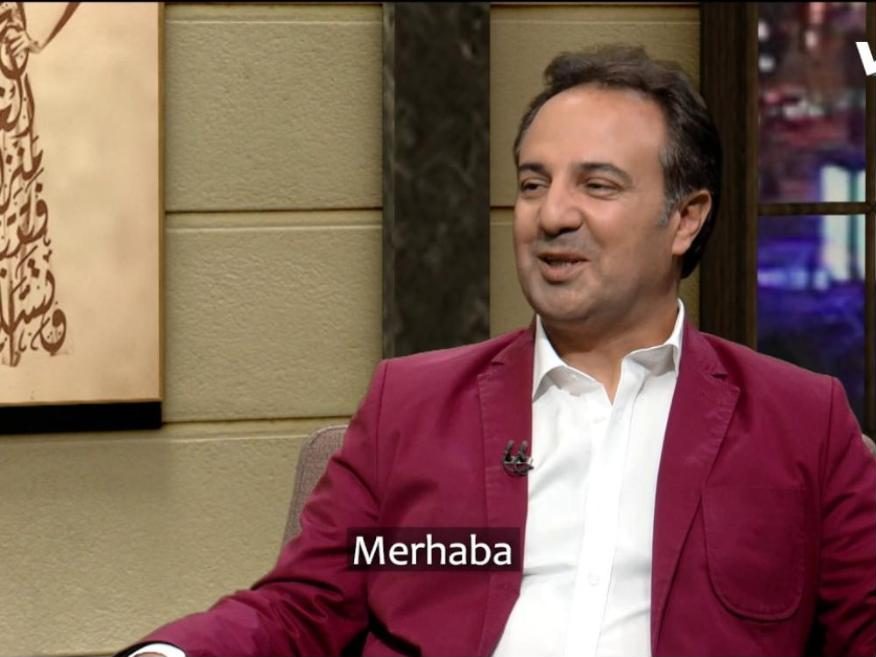
Literary Translation Between Arabic and Turkish
A conversation with Mehmet Hakkı Suçin on the possibilities and challenges of literary translation between Arabic and Turkish and its intercultural role.
-
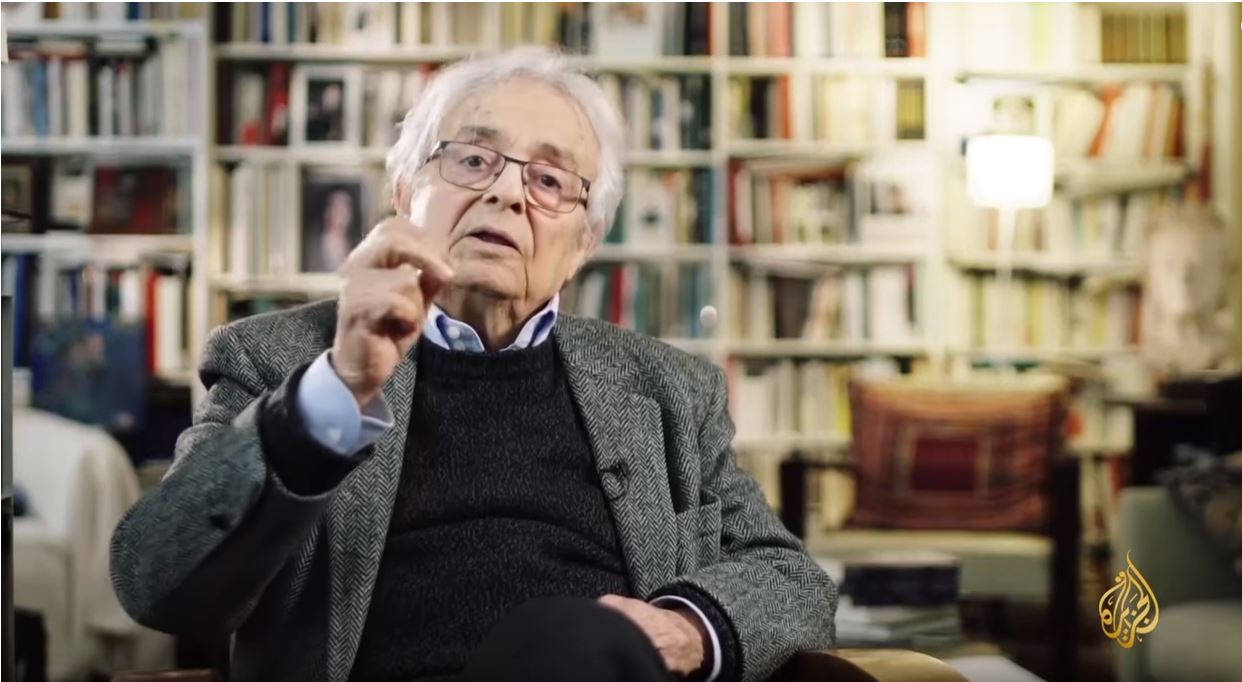
Adonis: The Ongoing Debate on the Static and the Dynamic
The doctoral thesis written by the Syrian poet Ali Ahmad Said, known as “Adonis”, which later became a famous book entitled Al-Thabit wa al-Mutahawwil (The Static and the Dynamic), stirred great controversy when it appeared in 1973 because of the ideas it contained, new for the time; it is therefore considered one of his most…
-
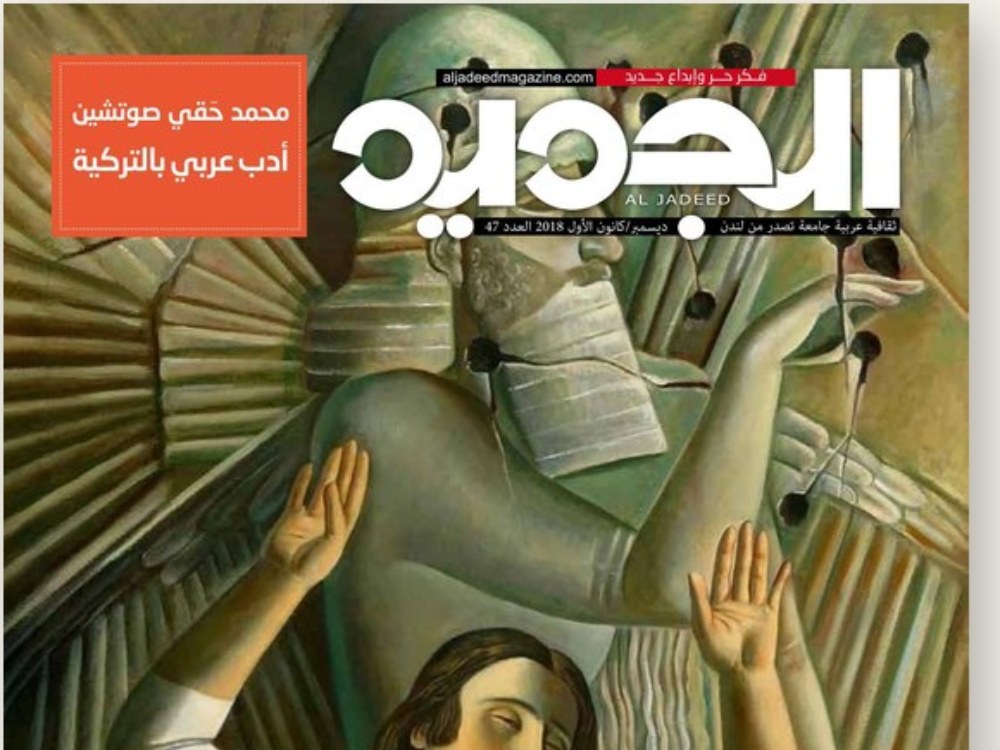
Mehmet Hakkı Suçin: Arabic Literature in Turkish
“I did not choose Arabic; Arabic chose me.” In Al-Jadeed’s cover interview, Mehmet Hakkı Suçin talks about his first encounter with Adonis, Yahya Haqqi, standard and colloquial Arabic, the history of Arabic–Turkish translation, the Arabic Booker and Turkish TV drama.
-
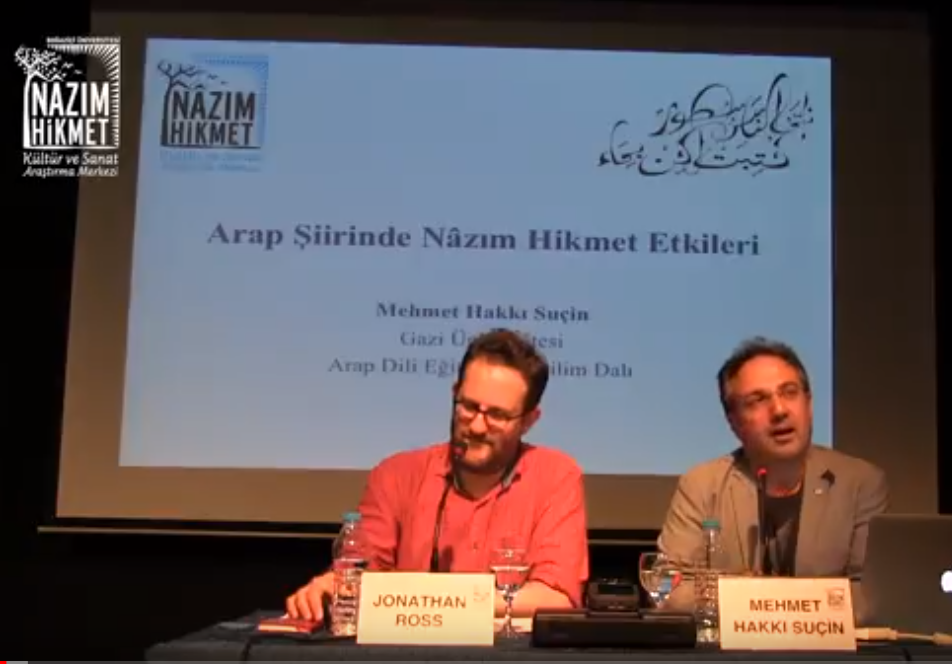
The Influence of Nâzım Hikmet on Arabic Poetry
In a lecture at Boğaziçi University moderated by Jonathan Ross, Mehmet Hakkı Suçin assessed Nâzım Hikmet’s poems in Arabic translation and the elegies written for him, and the Iraqi, Palestinian and Egyptian poets he influenced.
-
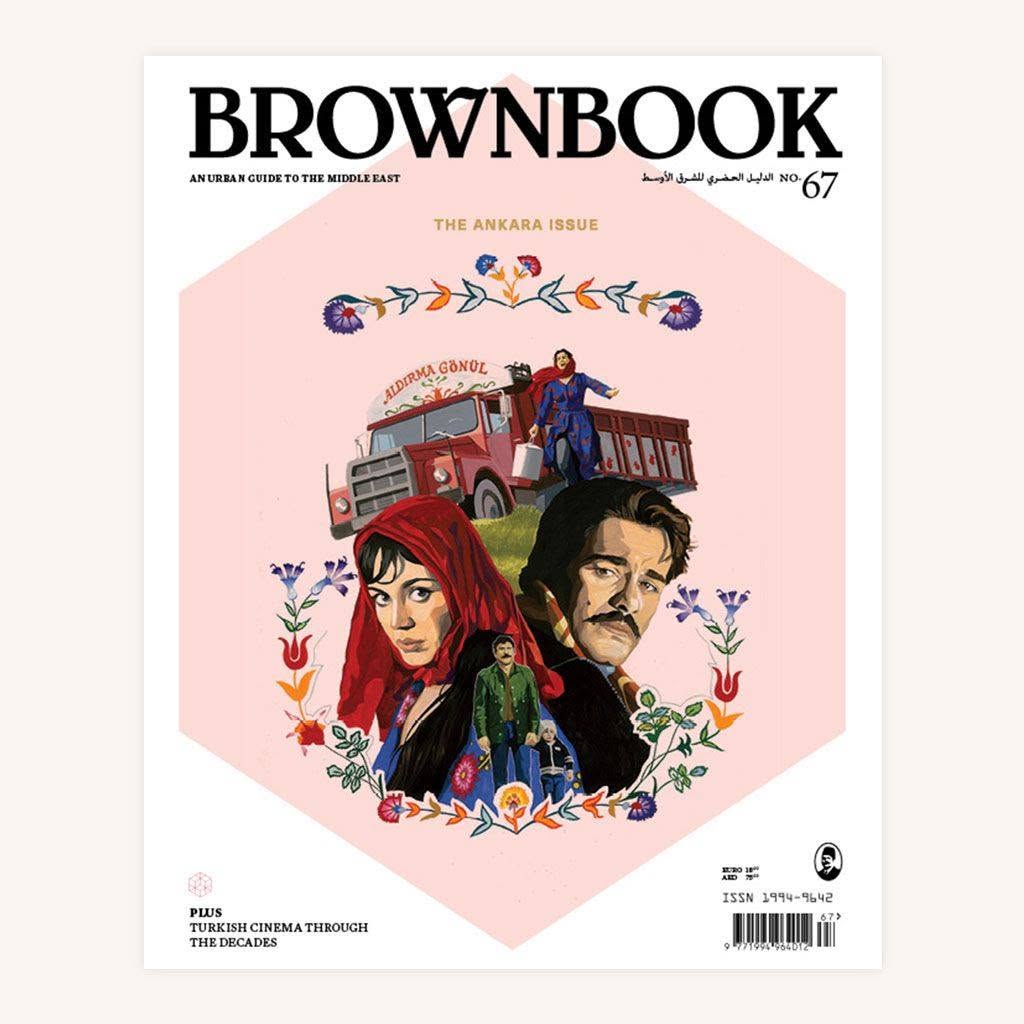
Mehmet Hakkı and Sevgi Suçin: The Turkish Couple’s Love Affair with Arabic Literature
Brownbook visits Mehmet Hakkı and Elçin Sevgi Suçin in their Ankara home: on bringing Arabic literature into Turkish, poetry, literary magazines and a new generation of translators.
-
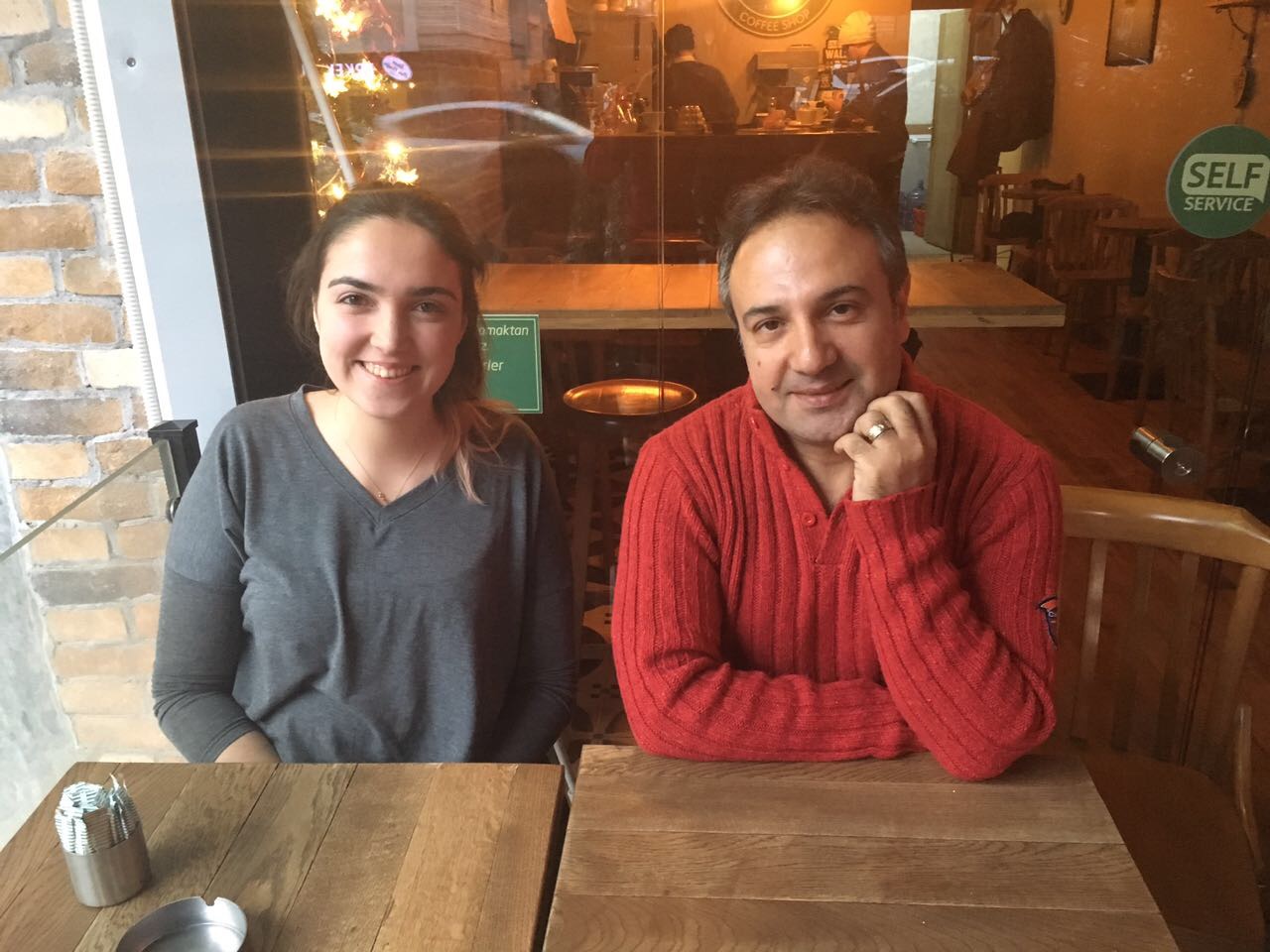
Mehmet Hakkı Suçin: “A Translator Truly Fulfils Himself in Literary Translation”
A conversation in an Ankara café with Mehmet Hakkı Suçin on literary translation, how young translators should start, how he came to Arabic, the state of Arabic and translation education in Türkiye, and translating poetry as “loss management”.
-

Mehmet Hakkı Suçin: “Without the Other, There Would Be No Need for Translation”
An interview with Mehmet Hakkı Suçin, winner of the Writers’ Union of Türkiye Translation Award for Nizar Qabbani’s The Book of Love, on “existing in the other language”, the history of Arabic–Turkish literary translation, and translating poetry.
-
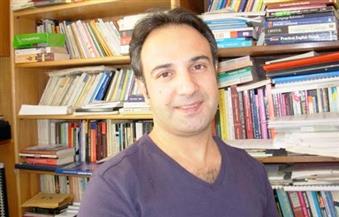
Suçin: A Culture of Creativity Must Take Root in Eastern Societies… a Culture of Expressing the Unfamiliar
Minnatullah al-Abyad – Al-Ahram Dr. Mehmet Hakkı Suçin is one of the most prominent Turkish critics to have immersed himself in Arab cultural life and engaged with its literary output and with the Arabic language. He graduated from the Department of Arabic Language and Literature at Ankara University; his master’s thesis dealt with the fiction…
-
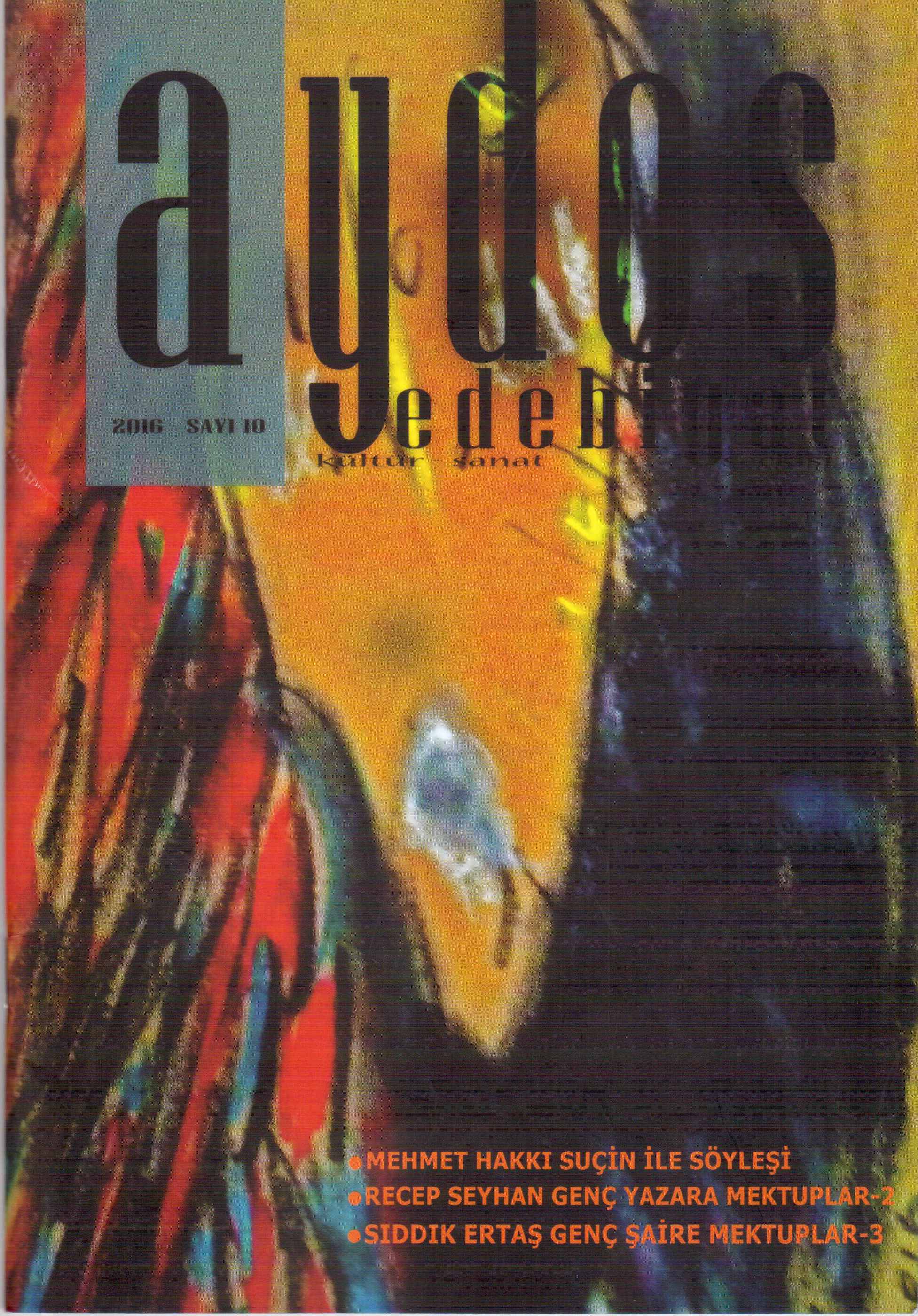
An Interview with Mehmet Hakkı Suçin
“For me, translation is ‘existing in the other language’. To exist in the other language is to be born into a new life… In this sense translation is a kind of ‘linguistic midwifery’.” On translation and on bringing Mahmoud Darwish into Turkish.
-
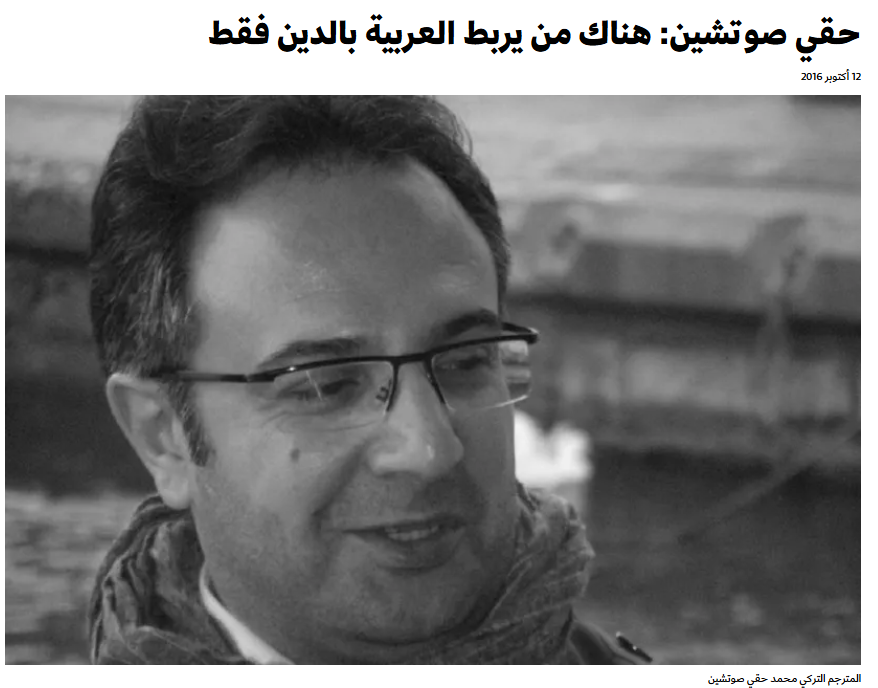
Some People Associate Arabic Exclusively with Religion
On the obstacles facing Arabic–Turkish literary translation, how Turkey receives Arabic literature through the West, elite attitudes, and translating Mahmoud Darwish.
-
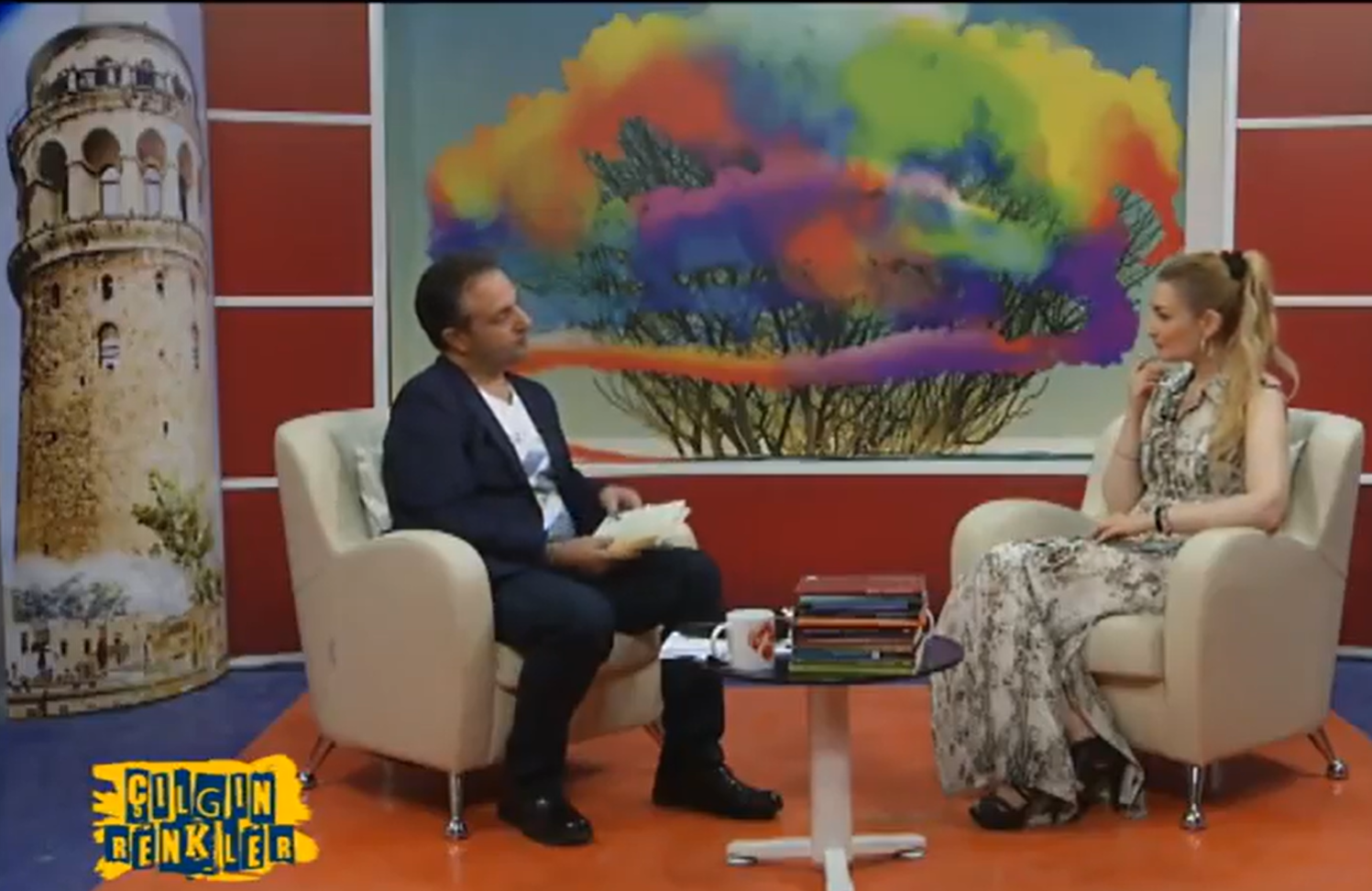
In Conversation with Özlem Şeran – Part 2
Mehmet Hakkı Suçin was the guest of “Çılgın Renkler”, presented by Özlem Şeran on TV6. The second part of the conversation.
-
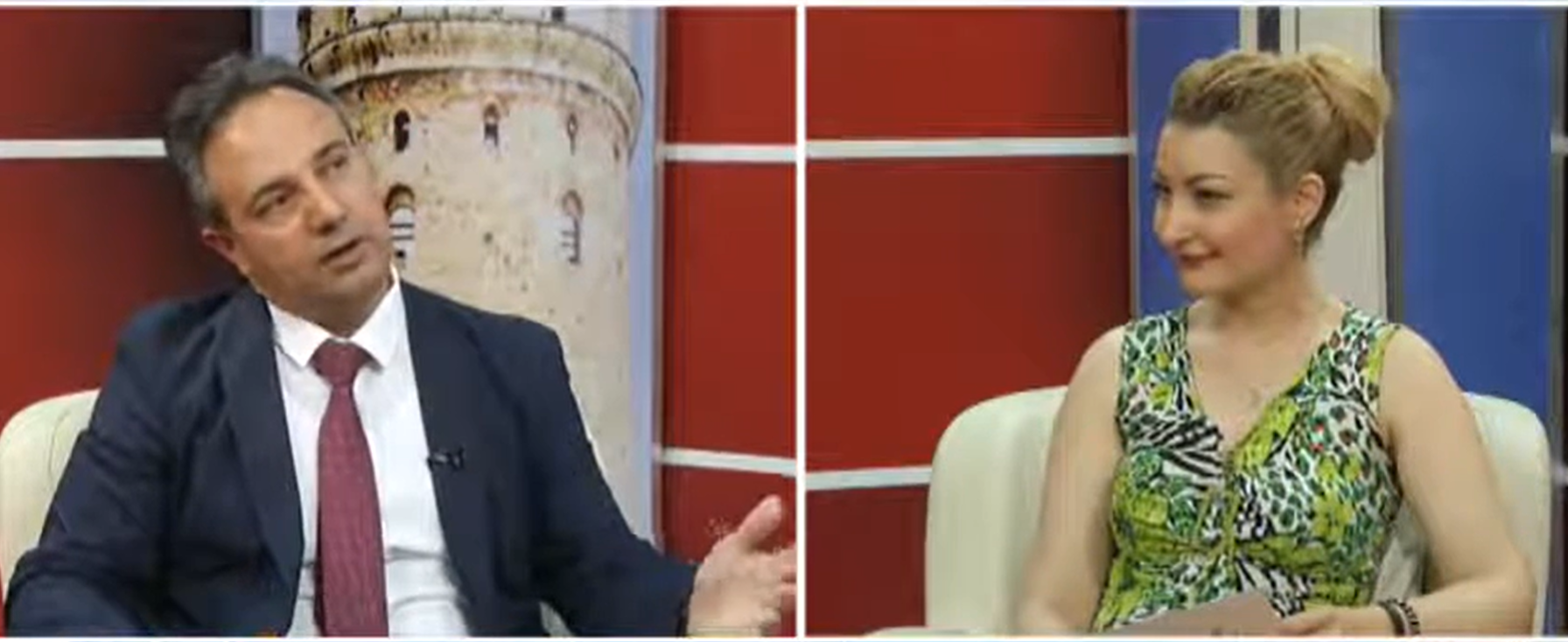
In Conversation with Özlem Şeran – Part 1
Mehmet Hakkı Suçin was the guest of “Çılgın Renkler”, presented by Özlem Şeran on TV6. The first part of the conversation.
-
Suçin: “The Arab-Islamic World Is Türkiye’s Strategic Depth”
“I have a cultural dream I want to achieve: to build a team of skilled translators who will bring the finest works of Arabic poetry, short fiction, the novel and drama into Turkish.” An interview from Al Majalla.
-
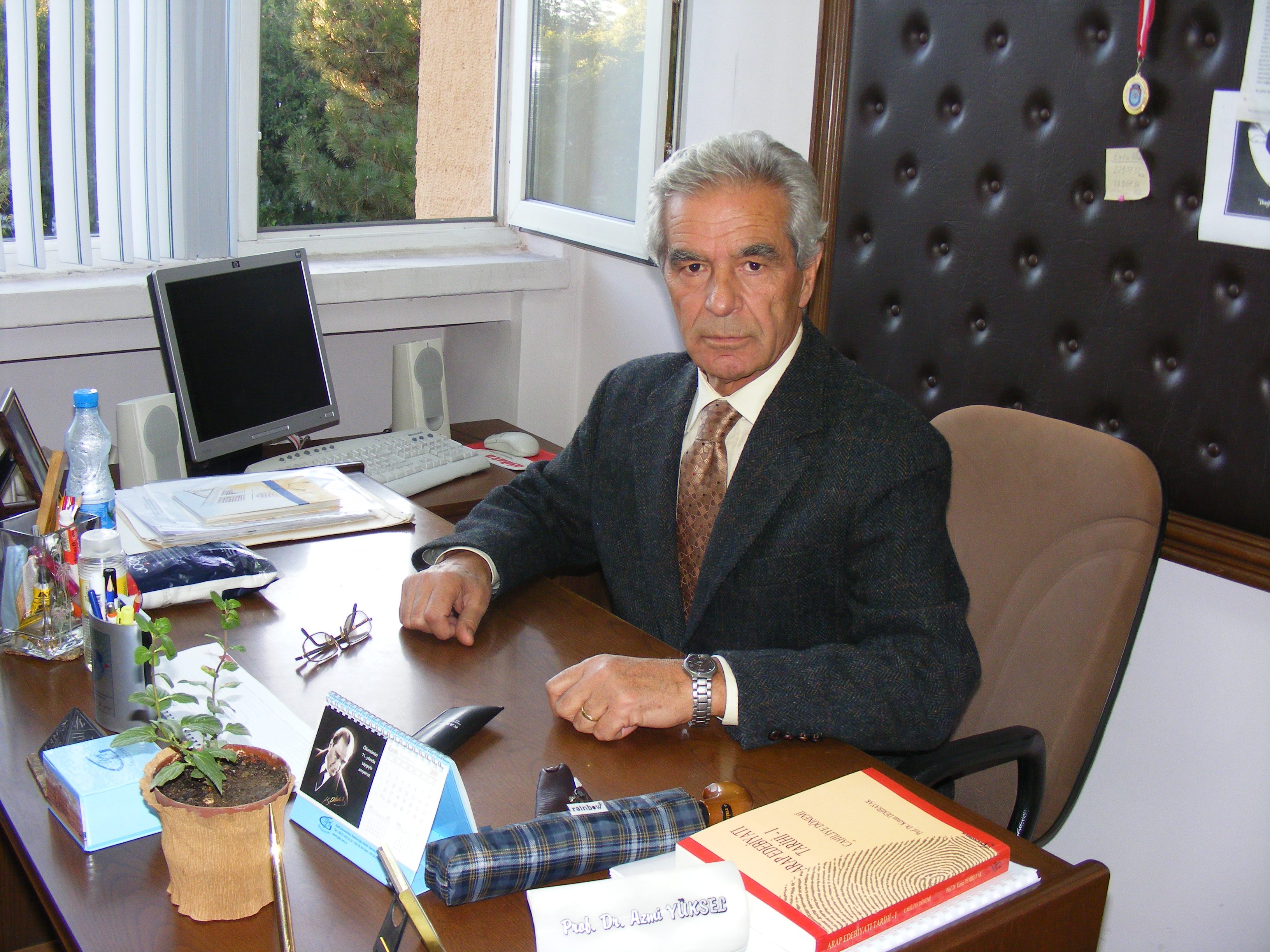
A Conversation with My Teacher, Prof. Azmi Yüksel
Mehmet Hakkı Suçin talks with his teacher Prof. Azmi Yüksel about his academic life, Arabic language education and his experience as a teacher.
-
International Prize for Arabic Fiction Judge Mehmet Hakkı Suçin: Advice to Young Novelists
IPAF judge Mehmet Hakkı Suçin discusses the novel selection process and offers advice to young novelists.
-
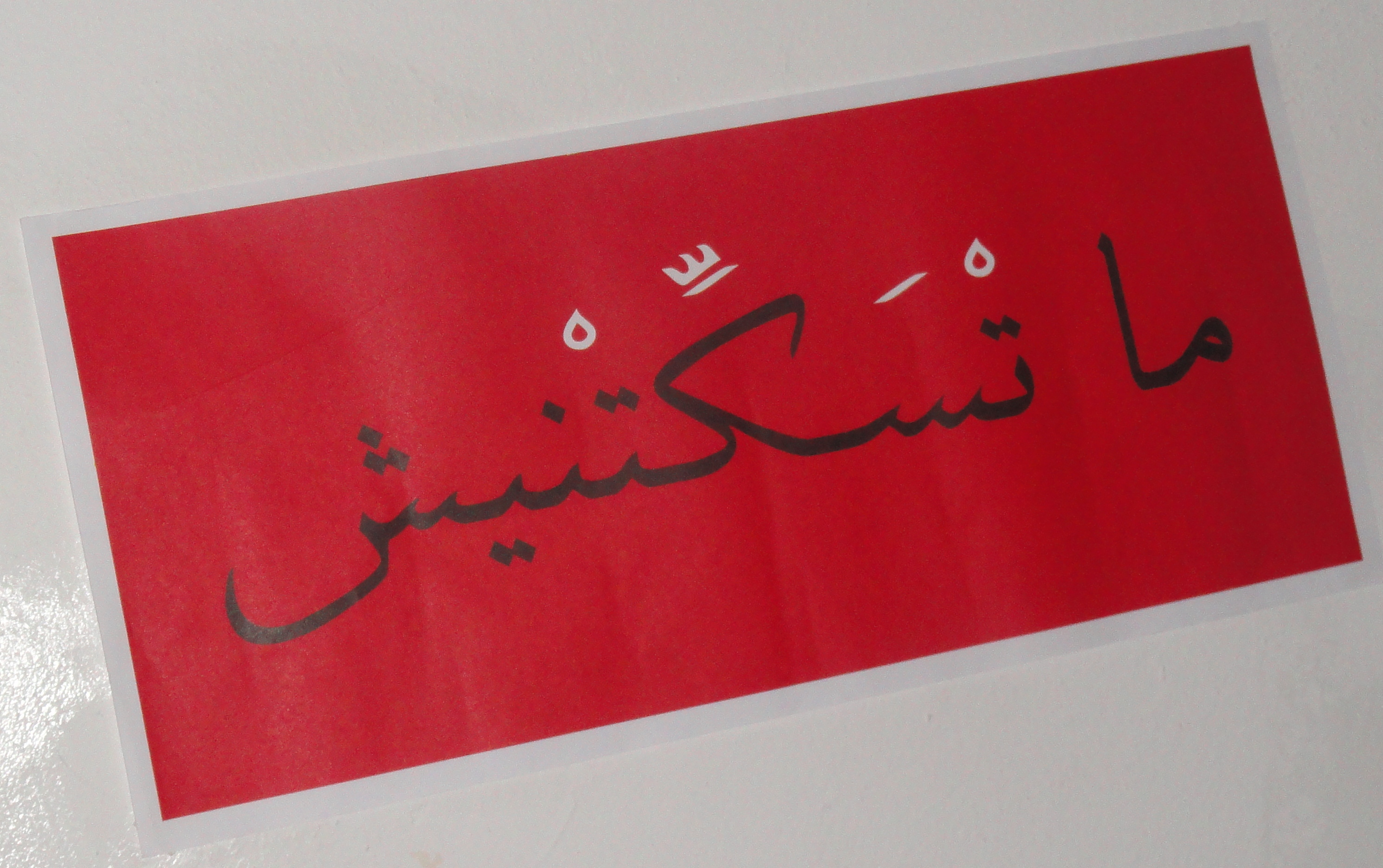
On Arabic Dialects: An Interview with Mehmet Hakkı Suçin
“Diglossia is part of everyday life in Arabic… It is a reality of Arabic, and we must accept it.” A student interview at Gazi University on Arabic dialects, their classification and which of them stand closest to Standard Arabic.
-
On Translation and the Teaching of Arabic: An Interview with Mehmet Hakkı Suçin
“Arabic translation in Türkiye has many handicaps, among them ‘weak’ translations. Shouldn’t someone who translates novels have read at least some of the Turkish and world classics? Shouldn’t someone who translates poetry be a devoted reader of poetry?”
-
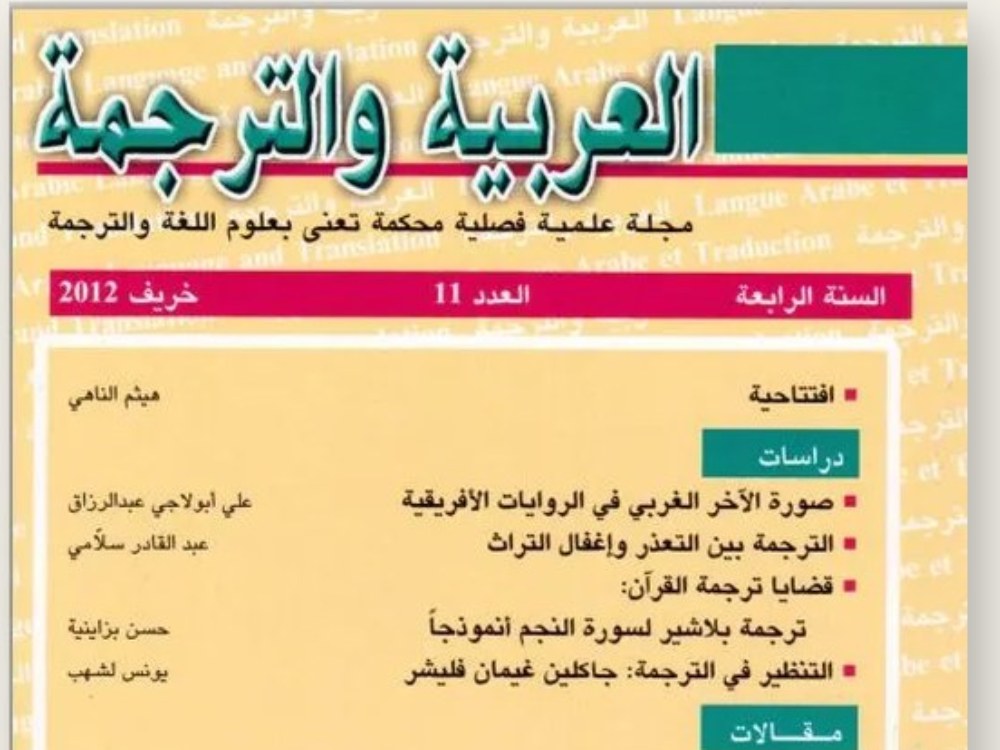
Türkiye and Its Role in Revitalizing Translation
A conversation with Mehmet Hakkı Suçin on translation activities in Türkiye, Arabic–Turkish relations, and cultural exchange.
-
Mehmet Hakkı Suçin: Türkiye Has Prepared Arabic Curricula, the First of Their Kind
A conversation with Mehmet Hakkı Suçin on the new Arabic curriculum prepared in line with European standards, the future of Arabic in Türkiye, and projects to strengthen Turkish–Arab cultural relations.