Critical Reception
-

Kanafani and Shibli: Different Stagings of Palestine, Different Stagings of Death
Süreyya Evren reads Ghassan Kanafani’s Men in the Sun alongside Adania Shibli’s Minor Detail, exploring how silence, repetition, and narrative form stage Palestinian death across different historical moments.
-

An Arab Poet Beyond Time: al-Mutanabbi
In an earlier article I tried to explain at length that the prejudices and stereotypes to which Arabic literature has been subjected lie behind its failure to attract sufficient interest in Turkey.[1]…
-
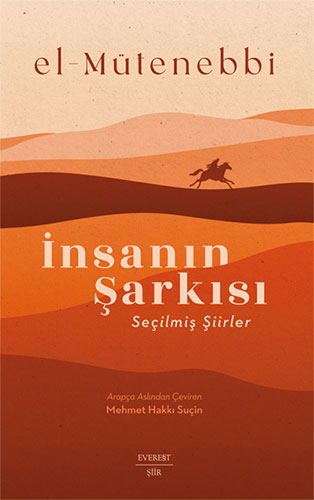
Al-Mutanabbi’s Poems in Turkish for the First Time, in an Aesthetic Translation
Esat Ayyıldız reviews The Song of Man, Mehmet Hakkı Suçin’s Turkish selection from al-Mutanabbi: its reception, Ali bin Tamim’s preface, the translator’s method, and how the translation creates a poetic “aura” without falling into literalism.
-
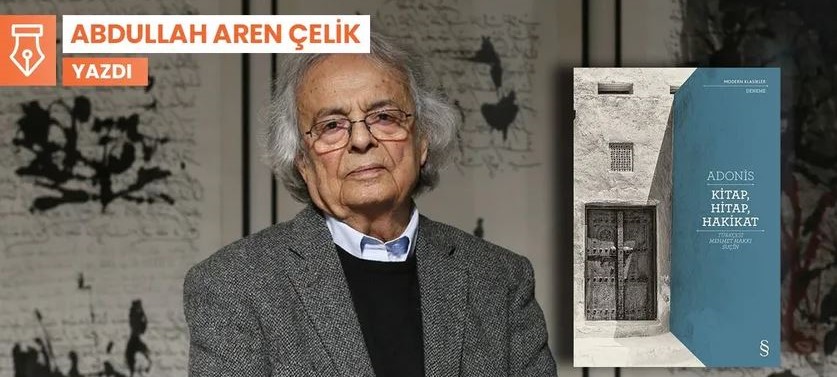
A poet’s effort to reach the truth with poetry
“In this respect, ‘The Book, Discourse, Truth’ can be read as a poet’s relationship with poetry, as well as responding to this “meaningless” situation. It even goes further and gives its readers important clues to understand why a geography lags behind the world.”
-
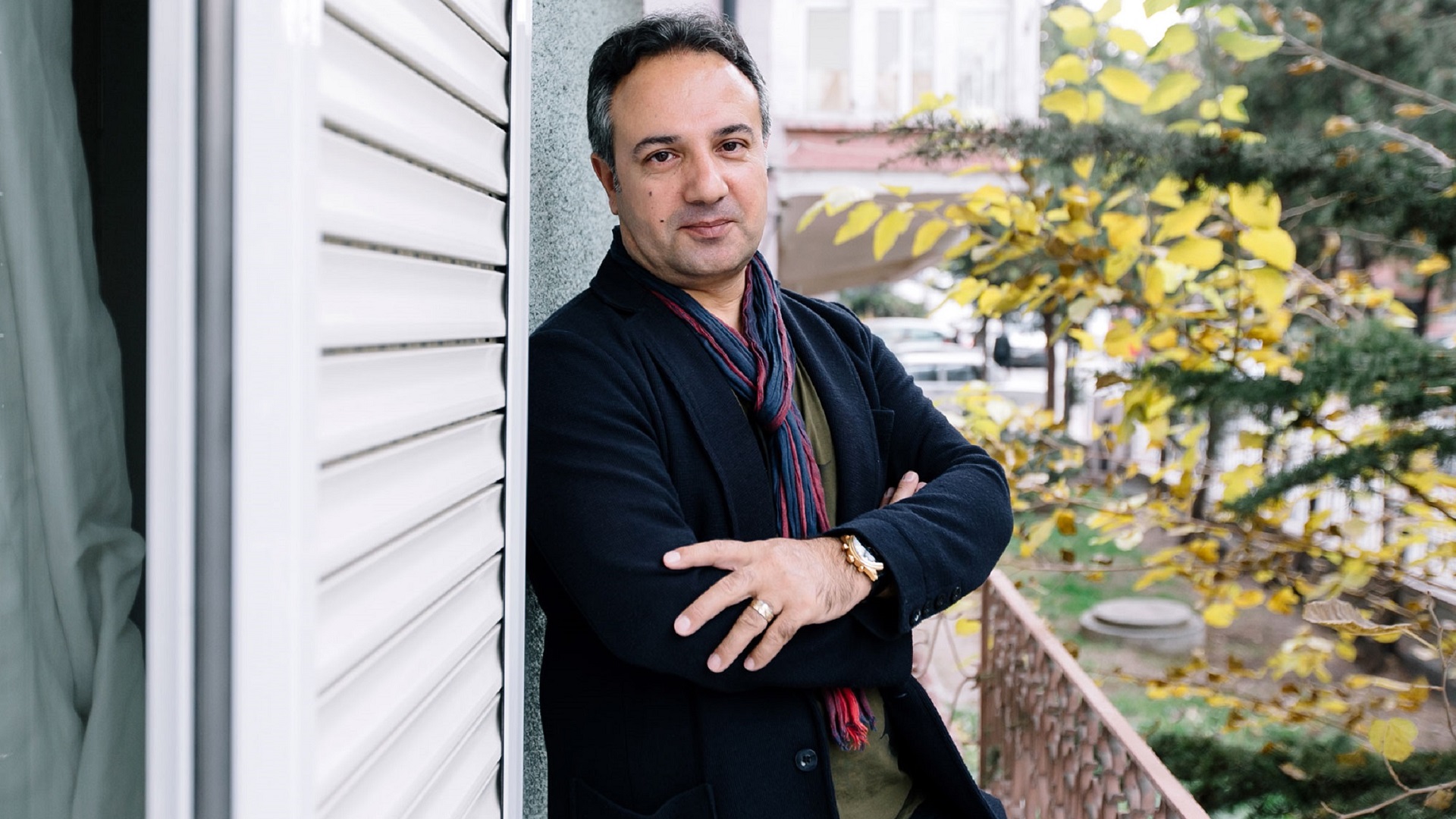
The Poet of “The Horses, the Night and the Desert” in Turkish for the First Time
In Independent Arabia, Abdo Wazen discusses The Song of Man, Mehmet Hakkı Suçin’s selection from al-Mutanabbi: the three obstacles to translating him, the commentaries Suçin relied on, and Mohammad Nour al-Din’s assessment.
-
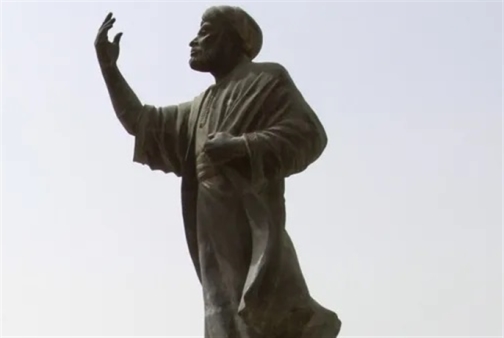
Mehmet Hakkı Suçin in the Seas of al-Mutanabbi
In the Lebanese daily Al-Akhbar, Mohammad Nour al-Din reads The Song of Man as an unprecedented translation adventure, a dive into al-Mutanabbi’s “sea” that brings the classical and the modern together.
-
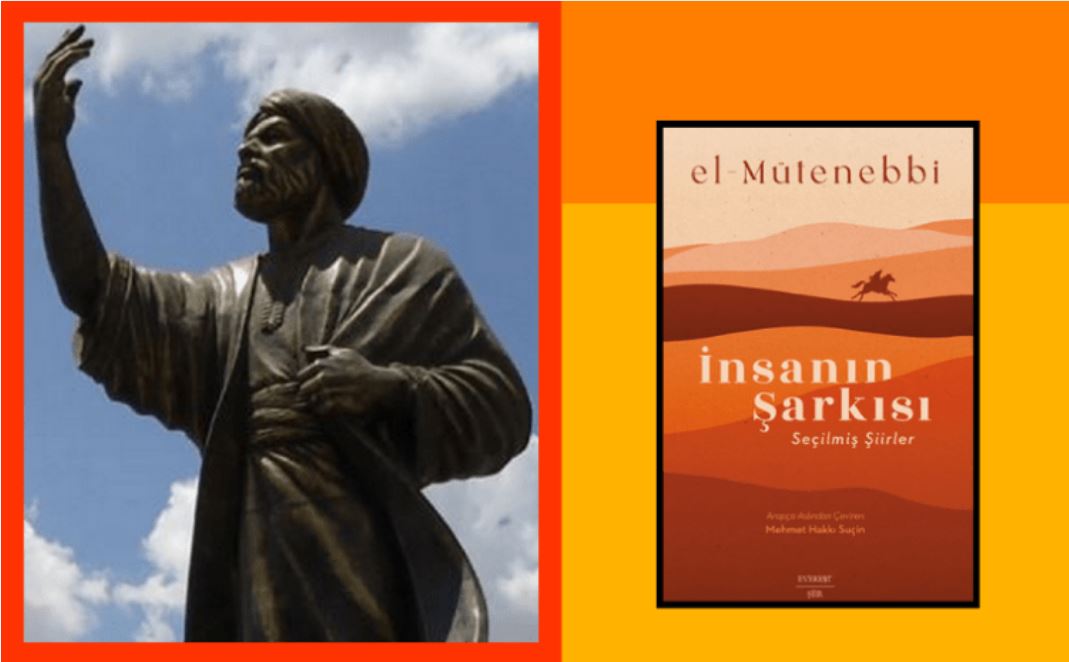
The Shakespeare of the East, al-Mutanabbi, in Turkish for the First Time
“Al-Mutanabbi’s poetry is the song humanity has sung through the ages. Ages, people and poems change, but the ‘song’ always remains the same. What Dante is to the Italians, Shakespeare to the…
-
Poetry Translation: A Necessary Path of Civilisation
If translation theory rests on accuracy in transferring a text from one linguistic system to another, accuracy appears to be a difficult demand when translating a poetic text. This has created a…
-

“Once, the Monster Was so Kind”
Adania Shibli’s essay on the cancelled Litprom award ceremony for Minor Detail at the 2023 Frankfurt Book Fair, on nameless and faceless characters, and on two fears: for the world and for language.
-
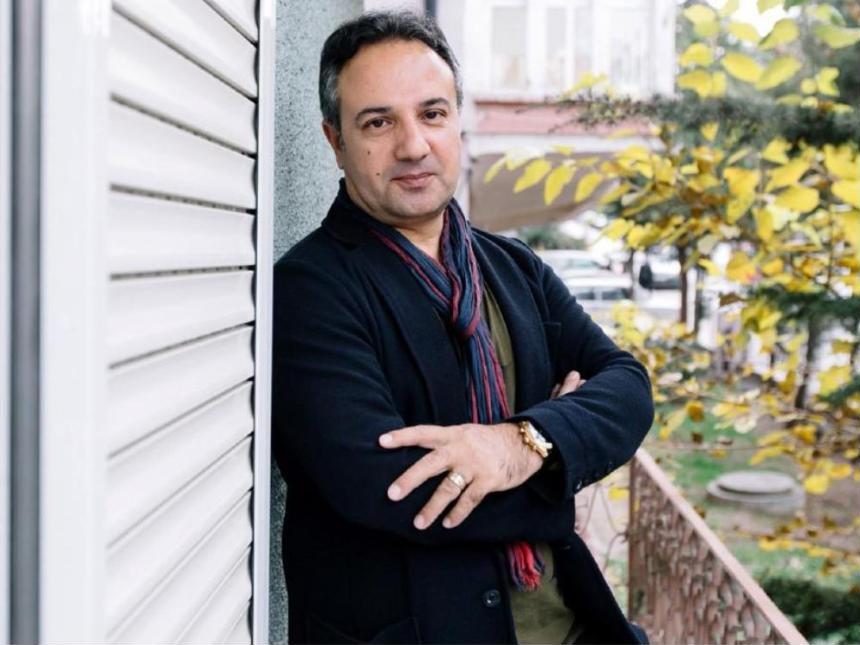
Mehmet Hakkı Suçin and the New Era of Arabic and Turkish
“If there is a founding reference to which this generation will be indebted, it is none other than Mehmet Hakkı Suçin.” Anas al-As‘ad’s portrait in Al-Araby Al-Jadeed of Suçin’s thirty-year journey between Arabic and Turkish.
-
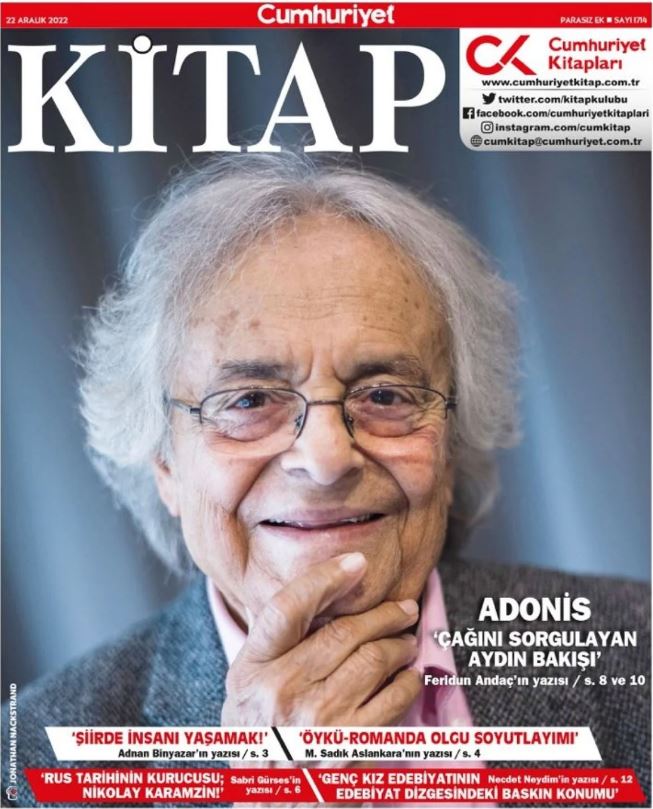
Adonis: An Intellectual Gaze Questioning Its Age
Adonis is a poet, an intellectual identity, concerned with understanding the world and grasping the existential reality of the universe… His questioning, probing, illuminating gaze is not reflected in his poetry alone;…
-
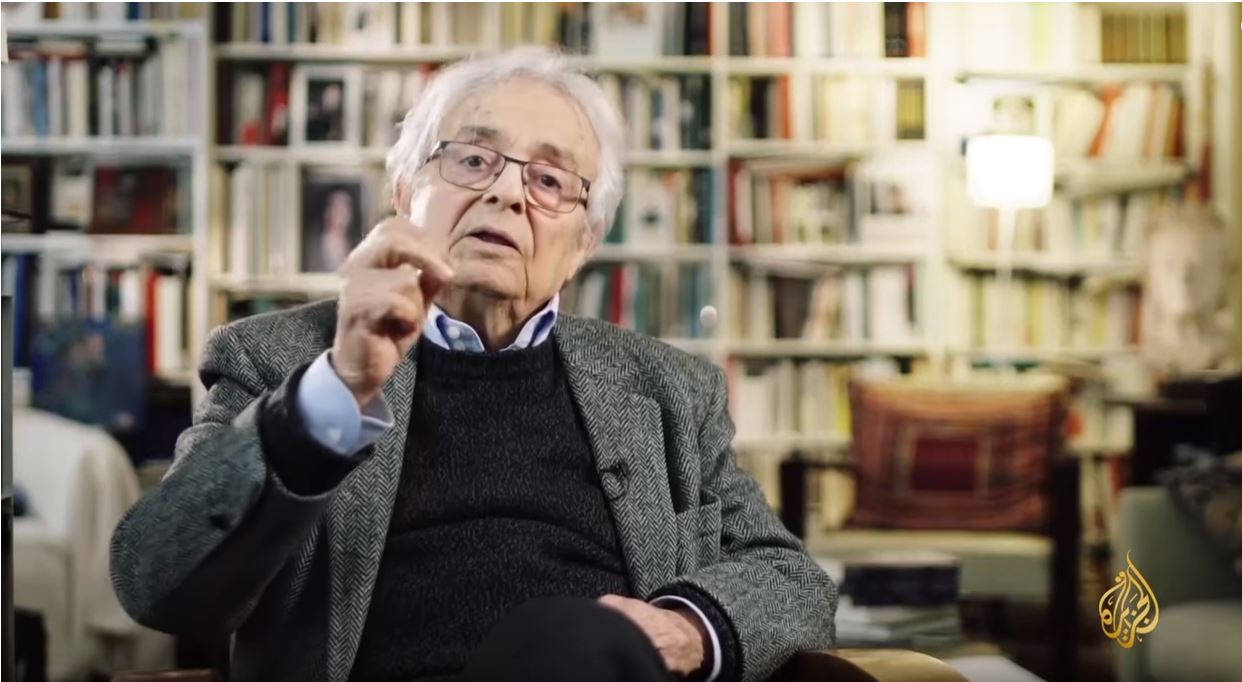
Adonis: A Sharp-Eyed Observer of the Arab World
Whenever I see a translation by Mehmet Hakkı Suçin, I get excited. This feeling is not only due to his being a competent translator; it is also a response to the creative…
-
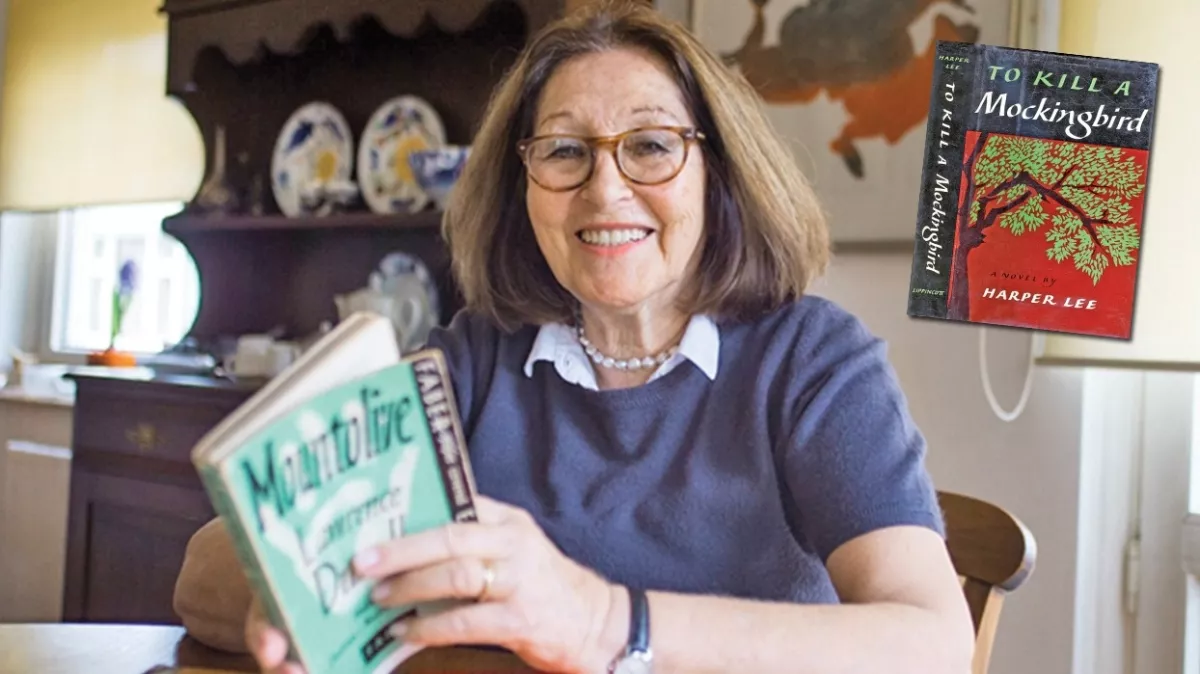
A Thousand-Year-Old Riddle: Hayy ibn Yaqzan
I do not know whether I would have read Hayy ibn Yaqzan,* by the Andalusian Islamic philosopher Ibn Tufayl (1105–1185), had I not noticed that Mehmet Hakkı Suçin had translated it from…
-

On the Possibility of Reading Hayy ibn Yaqzan as a Literary Work
Like everyone who has read it, I have been struck by the question of why Hayy ibn Yaqzan, the narrative by Ibn Tufayl that influenced many Western thinkers such as Defoe, Bacon,…
-
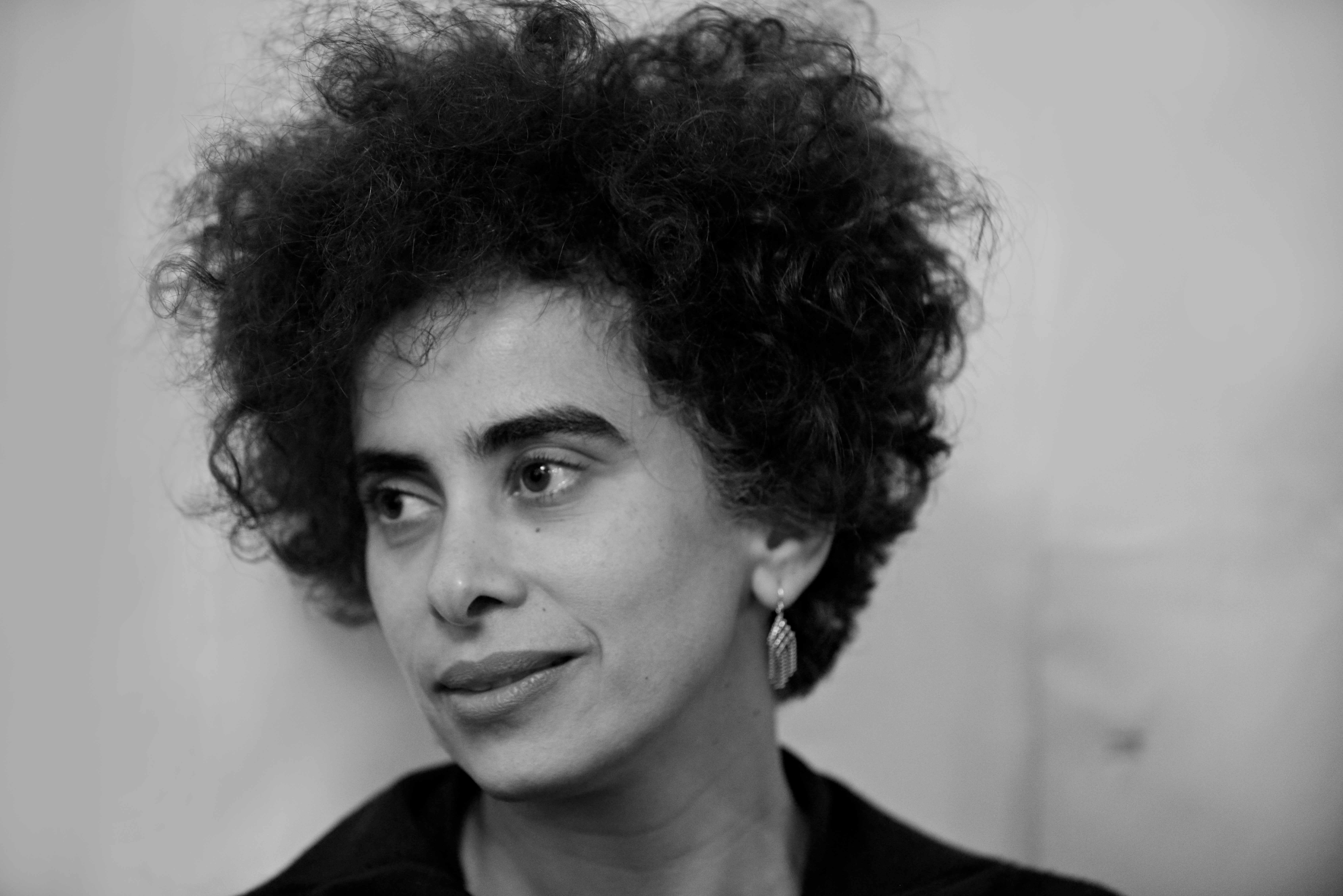
An Interview with Adania Shibli on Minor Detail
In Cumhuriyet Kitap, Sibel Oral reviews Minor Detail in Mehmet Hakkı Suçin’s Turkish translation and talks with Adania Shibli about the novel’s twelve-year writing process, language and the “minor detail”.
-

Poetry in Suspension: The Mu‘allaqat
In our book Turkish Literature as World Literature (Bloomsbury, 2021), we brought together essays discussing the influence of Turkish literature on various world literatures. Studies of Nâzım Hikmet, which allowed us to…
-

What Do We Mean by Arabic Literature? Or, Thoughts Prompted by the Seven Suspended Odes
Despite the negative image and signifiers it carries in the minds of those even slightly familiar with Islamic history, poetry held a powerful place in pre-Islamic Arab society. Indeed, the genre against…
-
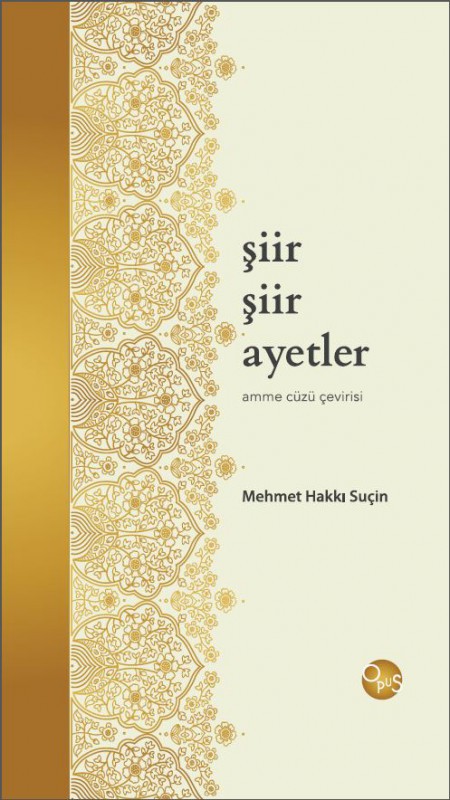
A Few Notes on Şiir Şiir Ayetler
Sıddık Ertaş on Şiir Şiir Ayetler, Mehmet Hakkı Suçin’s translation of the Juz’ ‘Amma: a meal that also aspires to poetic language, carrying the sonic qualities of the Meccan suras into Turkish.
-

“If Adonis Had Lived in Istanbul!”
The Ottoman rulers of the time did not care to think about why intellectuals, the Young Turks above all, wanted to go to the West in order to breathe a little more…
-
An Aesthetics-Focused Translation of the Holy Qur’an
The rays of light from the sun of the Qur’an – which has shone for centuries in all its beauty and splendour, illuminating our world from past to future – have this…
-
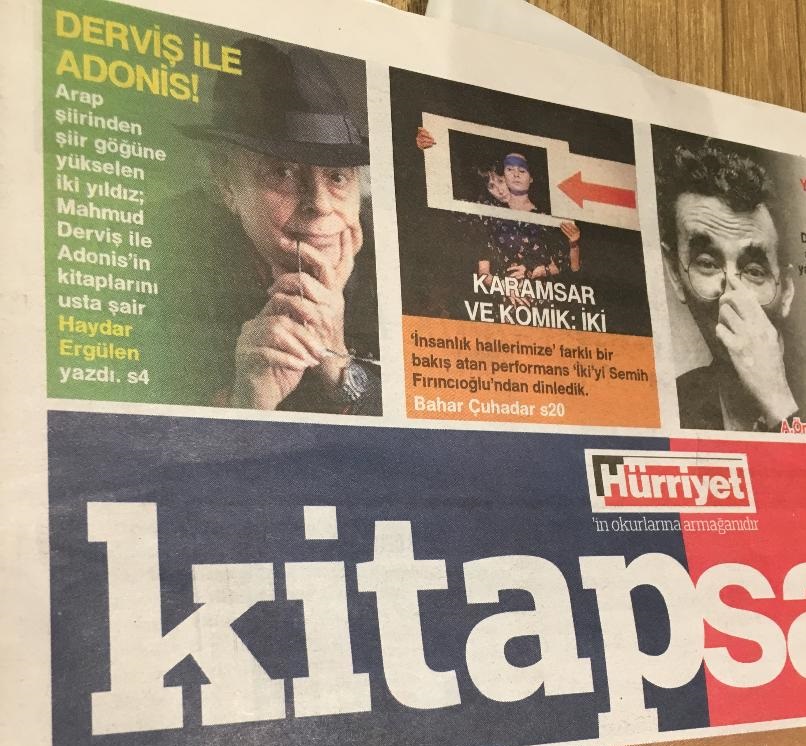
Darwish and Adonis!
Two stars that have risen from Arabic poetry into the sky of poetry, and that have raised the sky of poetry: Mahmoud Darwish and Adonis. I always remember the first together with…
-
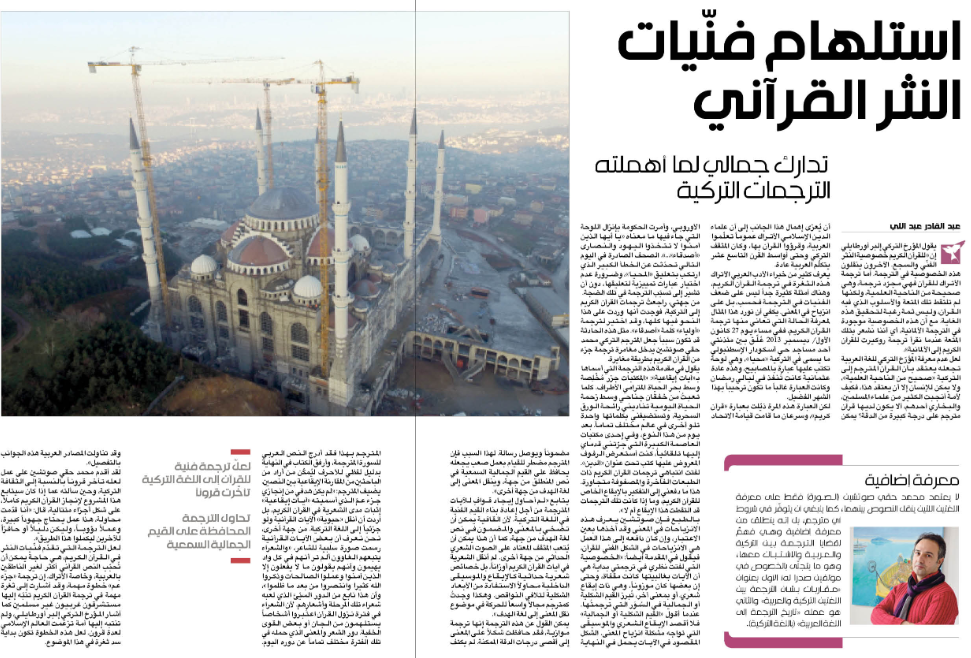
Rhythmic Verses: Drawing on the Art of Qur’anic Prose
Abdulkadir Abdelli reads Şiir Şiir Ayetler, Mehmet Hakkı Suçin’s translation of the Juz’ ‘Amma, as an aesthetic effort to restore the rhythm and inner music neglected by Turkish translations of the Qur’an.
-

How Should We Read Mahmoud Darwish’s Poetry?
These lines are from the opening of the poem “The Dice Player” in Mahmoud Darwish’s Bu Şiirin Bitmesini İstemiyorum (I Don’t Want This Poem to End), recently published in Turkish… And these…
-

How Mahmoud Darwish’s Poems Were Assassinated in Turkish
Translation cannot be done carelessly or without the necessary equipment, because that would not be “humane”. Showing language the care it needs is a debt we owe to humanity. In this piece…